There’s a particular kind of morning on the lake when the world doesn’t reveal itself all at once. The shoreline blurs. The far dock disappears. Even the water feels quieter, like it’s holding something back. You don’t rush into those mornings. You sit with them. You wait.
Woodturning has its own version of that fog.
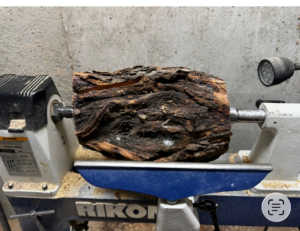
If you’ve ever picked up a piece of F.O.G.—free on ground—wood, you know exactly what I mean. It doesn’t announce itself as anything special. It’s not kiln-dried, not squared, not cataloged. It’s a castoff. A fallen limb. A log someone else overlooked. At first glance, it can feel like working blind.
But that’s where the work begins.
The Hidden Grain Beneath the Surface
When fog sits heavy on the lake, it strips away distraction. You stop looking out and start noticing what’s close—the ripple near the boat, the sound of a single bird, the way light presses through in layers. Slowly, as the sun rises, the fog doesn’t vanish—it reveals. Shoreline edges sharpen. Trees take shape. That which has always existed merely becomes apparent.
Turning F.O.G. wood is the same slow unveiling.
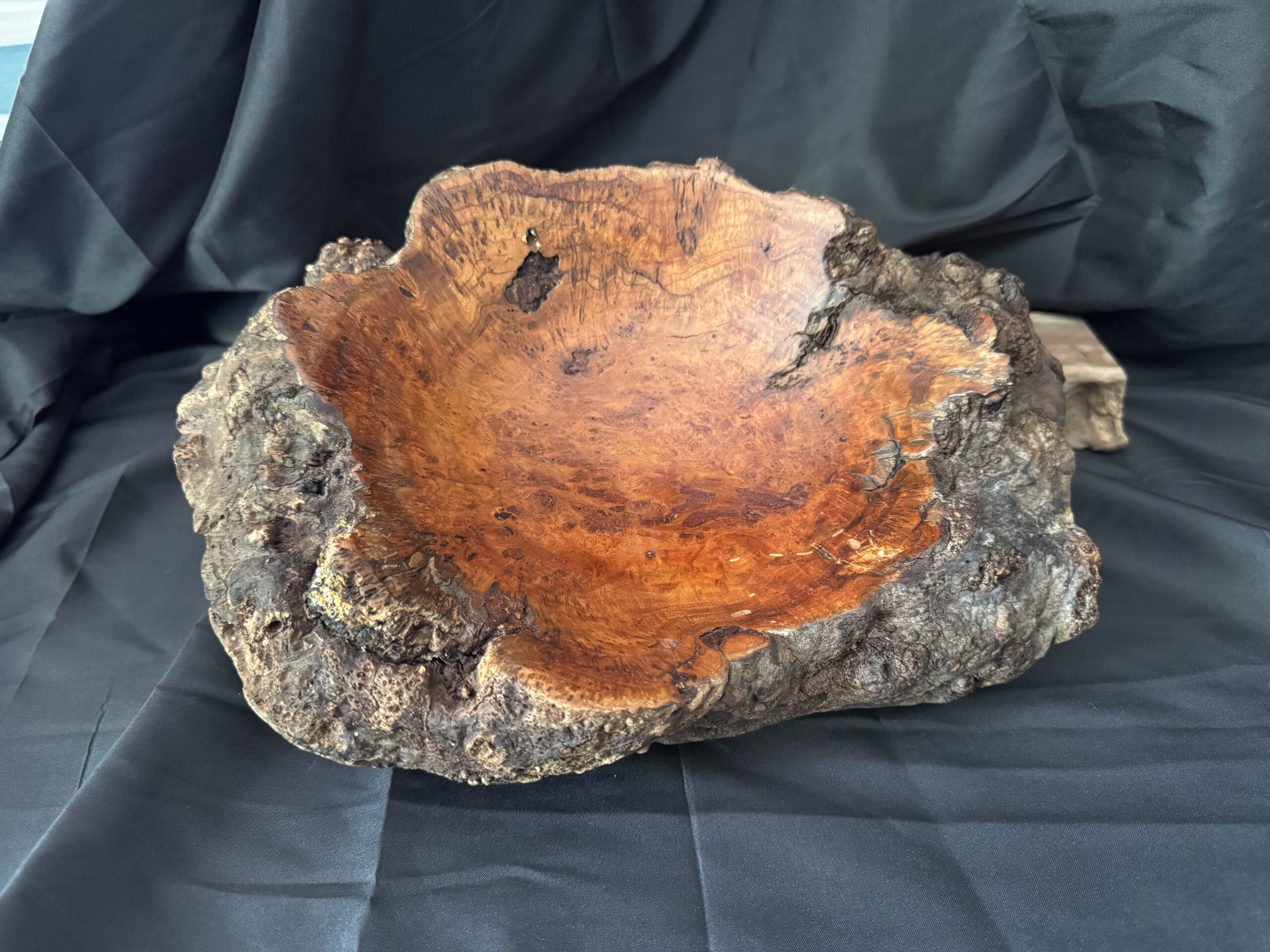
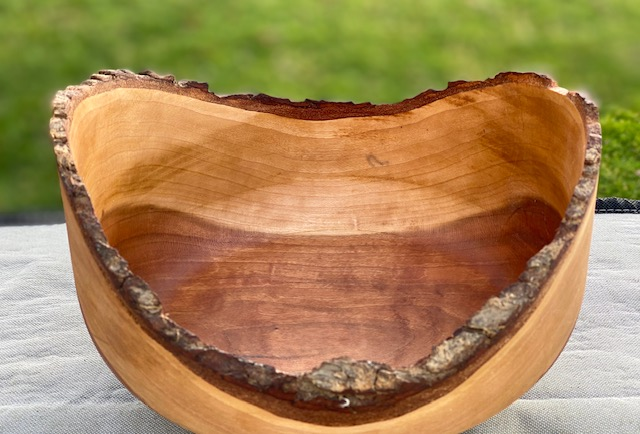
The outside of that log might be cracked, soft, even punky in spots. You don’t know what’s inside. Not really. But once it’s mounted on the lathe and the first cuts begin, something shifts. The dull gray gives way to color. The rough bark line becomes a natural edge. Hidden spalting starts to bloom like a map you didn’t know you were holding.
You’re not creating beauty. You’re uncovering it.
Trusting the Process (Even When You Can’t See)
Fog demands patience. You don’t force clarity—you let it come.
Working with F.O.G. wood asks the same thing as you. You can’t fully plan the outcome. You can guide the form, sure. You can decide between bowl, hollow form, spindle. But the wood has its own history—weather, insects, and time on the ground—and all that shows up in the grain.
Sometimes it shows up as a surprise you didn’t ask for: a void, a crack, a weakness.
Sometimes it shows up as something you couldn’t have designed if you tried.
The discipline is in staying with it. Adjusting your cuts. Reading the wood as it opens. Letting the piece become what it wants to be, instead of forcing it into what you imagined when it was still just a foggy silhouette.
Imperfection as Character
When the fog lifts completely, the lake isn’t suddenly perfect, it’s just fully seen. You notice the uneven shoreline, the fallen branches, the places where water meets land in messy, beautiful ways.
F.O.G. wood carries that same honesty.
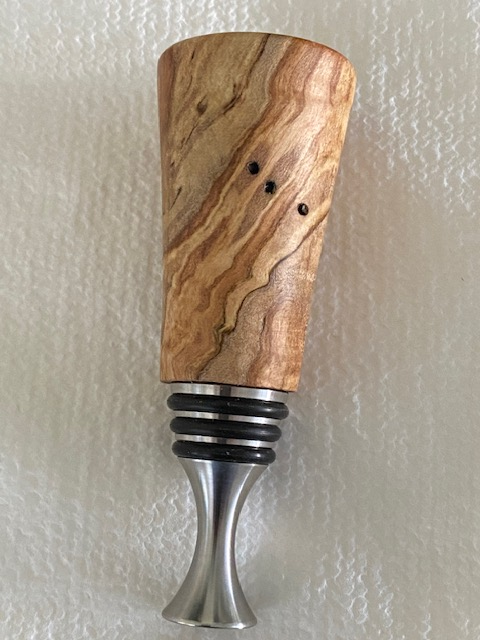
It’s not pristine. It might include knots, worm tracks, spalting lines that wander unpredictably, or cracks that need to be worked around—or worked with. These aren’t flaws to erase. They’re evidence of a life lived before the lathe ever touched it.
And when you embrace that, the finished piece holds more than shape—it holds story.

The Reveal Is the Reward
There’s a moment, late in the turning process, when the piece is sanded smooth and the finish goes on. Oil, wax, whatever you choose—it deepens everything. Grain lines sharpen. Colors warm. Contrast emerges.
It’s the woodturner’s version of the sun finally burning off the last of the fog.
You step back, and there it is—not something you forced into existence, but something you revealed through attention, patience, and a willingness to work with what was already there.
Why It Matters
Anyone can buy perfect blanks. There’s nothing wrong with that. But there’s something different about walking the ground, spotting a forgotten piece, and choosing to see potential where others saw nothing.
F.O.G. wood teaches you to look twice.
The lake teaches you to wait.
And woodturning—at its best—sits right between the two.
It reminds you that clarity doesn’t come from control. It comes from showing up, paying attention, and staying long enough for the fog to lift.